Xiaomi HyperOS 4 Global Rollout Reaches Mid-November Wave as 82 Devices Queue for Android 17
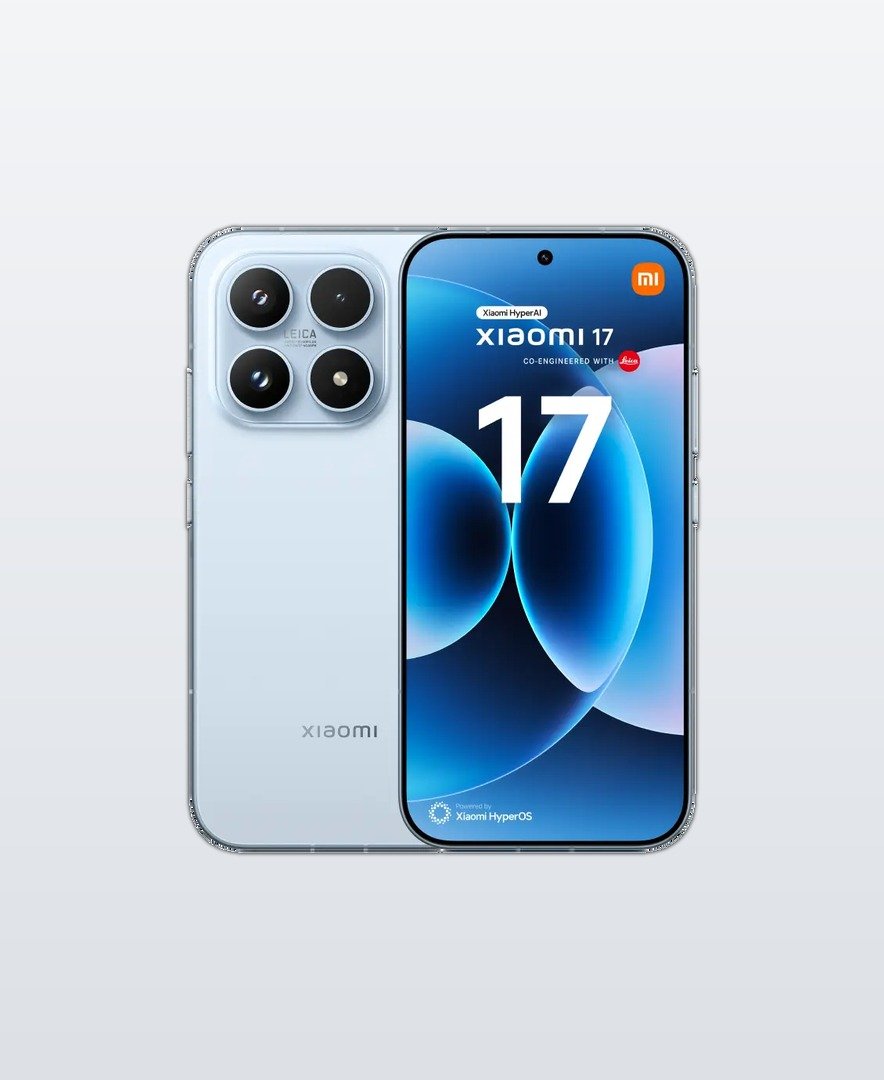
Xiaomi’s HyperOS 4 rollout is moving into its second phase. The Android 17-based update, which Xiaomi first published as a global schedule on November 3, covers 82 Xiaomi, Redmi and POCO phones and tablets, and the mid-November wave is now due to start.
The schedule splits the rollout into three waves running through December 2026. Xiaomi stresses the dates are estimates that can change by region, carrier and model, and that each date marks when the rollout starts for a group — not when every phone in that group gets the update.
What HyperOS 4 brings
HyperOS 4 is built on Android 17 and adds a new Soft Light Glass visual style, a more powerful AI assistant, a redesigned lock screen and performance improvements. It also deepens integration with iPhones, making it easier to share photos, files and contacts between a Xiaomi phone and an Apple device.
Not every phone gets every feature. The heaviest glass effects are limited to recent flagship chips, and some AI features vary by region. Android Authority has also noted that the update is based on Android 17 or Android 16 depending on the device, so a HyperOS 4 badge does not always mean a new Android version underneath.
Who got it first
The early-November wave covered the newest flagships first: the Xiaomi 17 and Xiaomi 15 series, the Redmi Note 17 and Note 15 families, the POCO F8 and X8 lineups, and the Xiaomi Pad 8 tablets.
But the rollout has started slowly. A week in, only the POCO F8 Pro and POCO F8 Ultra had public global stable builds, according to firmware tracker XiaomiFirmware, while the Xiaomi 17 was still in a limited pilot group. If your phone is in the first wave and nothing has arrived yet, that is normal — the wave is a start window, not a delivery date.
The mid-November wave
The second wave, starting in mid-November, covers the Xiaomi 15T series, the POCO F9 and F7 families, the POCO X7 Pro, the Xiaomi Pad 7 series and Pad Mini, and several Redmi and POCO tablets.
One wrinkle: Xiaomi published the schedule twice, on X and on its own website, and the two versions disagree on seven models — the Xiaomi 15 and 15 Ultra, the POCO X8 and the Redmi Note 17 phones. The X post puts them in the early-November wave; the mi.com page lists them under mid-November. The mi.com version looks like the one to follow, since none of the seven had a public HyperOS 4 build a week into the rollout.
The December wave
The final wave, in December, reaches older hardware: the Xiaomi 14 and 13 series, the Xiaomi 14T and 13T lines, the MIX Flip, the Redmi Note 14 family and the POCO F6 series, plus older tablets.
In China, the stable rollout began earlier, on October 15, starting with the Xiaomi 17 series. The global schedule runs separately, and Xiaomi has not published a country-by-country list, so owners should check Settings > About phone > System update rather than waiting for a fixed date.
The Xiaomi 18 Pro series, which launches globally on November 17, ships with HyperOS 4 already installed — see our earlier report on the Xiaomi 18 Pro global launch.
Bottom line
HyperOS 4 is Xiaomi’s biggest software push of the year, and 82 devices are on the list. The mid-November wave is the next test of whether the rollout can pick up speed after a slow first week — check your phone’s updater, and expect the update to arrive in stages rather than all at once.
Sources: Xiaomi (via X and mi.com), GizmoChina, 91mobiles, TechRepublic, XiaomiFirmware.