Asus Halts Smartphone Launches to Focus on AI Robots and Smart Glasses
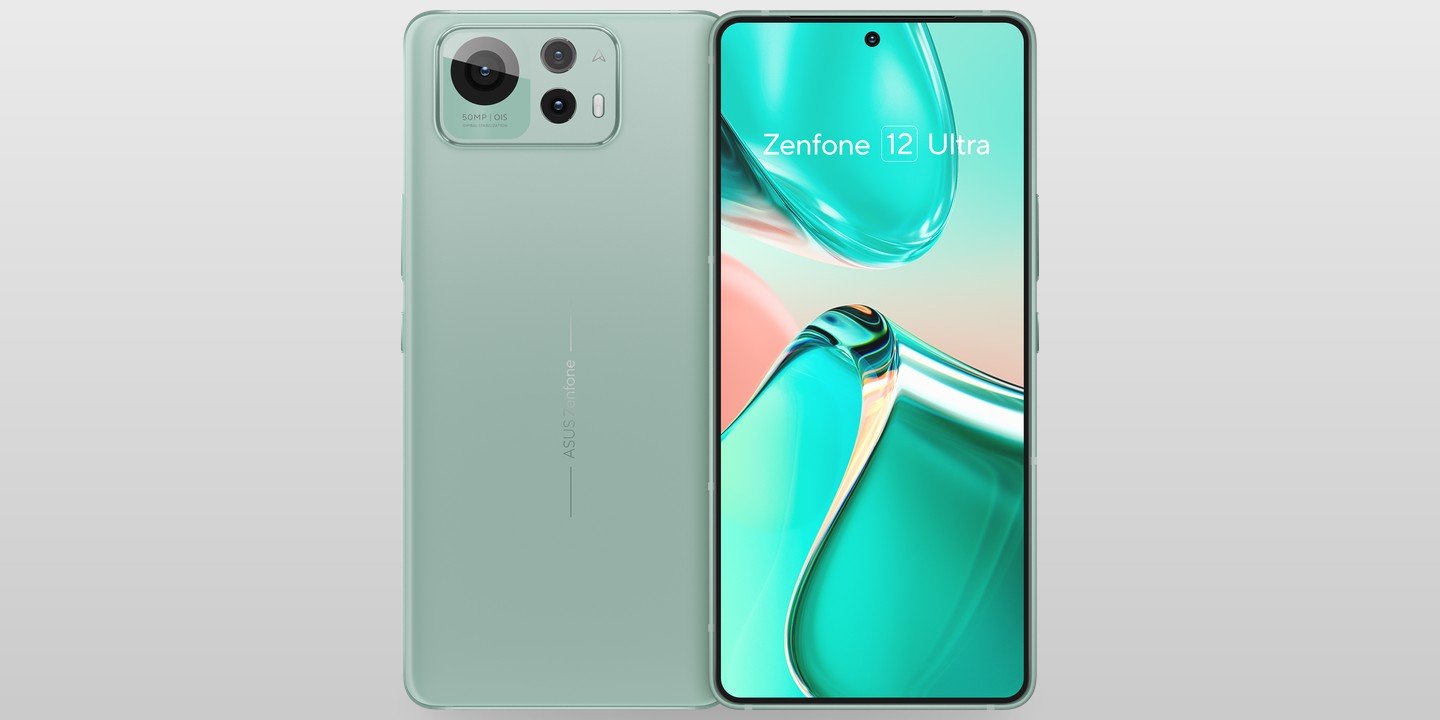
Asus is stepping away from smartphones. Chairman Jonney Shih has confirmed that Asus halts smartphone launches, with Asus shifting its focus to AI hardware instead — robots and smart glasses first among them.
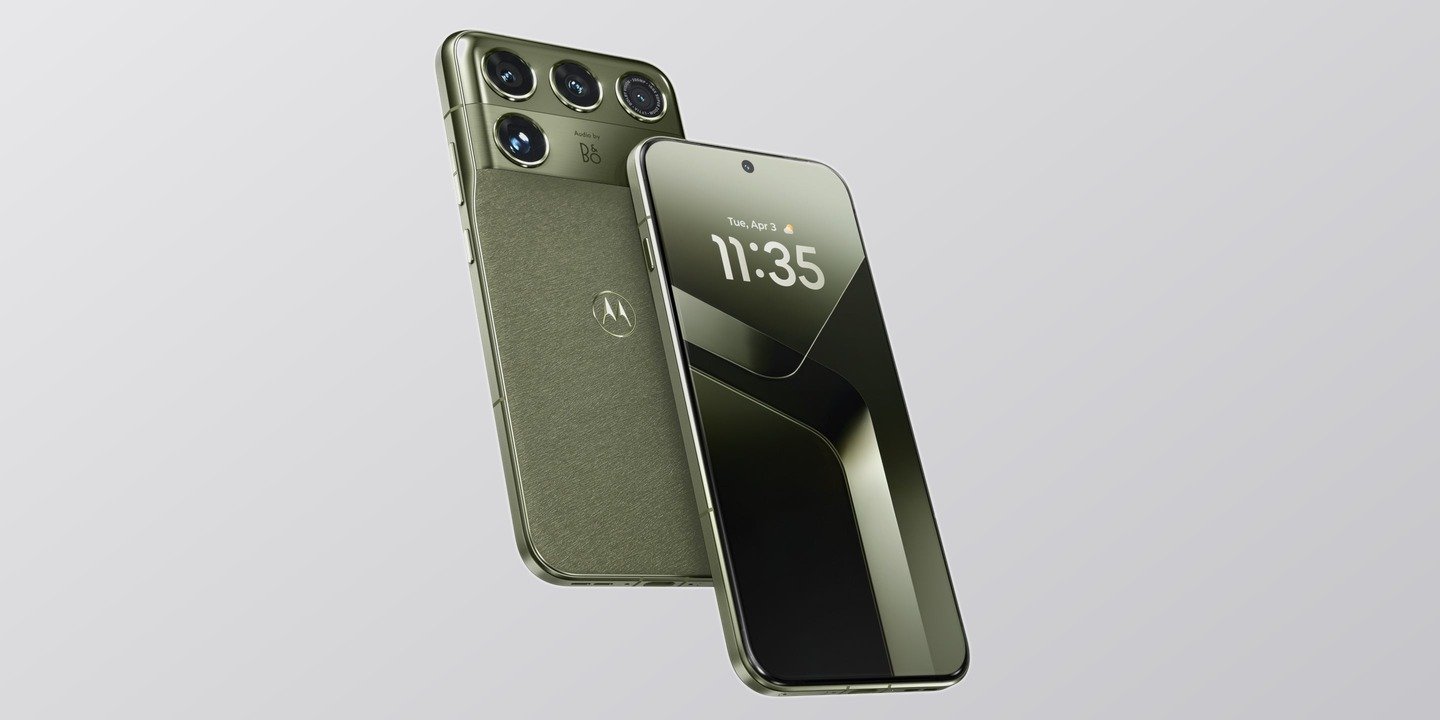
Image: official Asus image of the Zenfone 12 Ultra in Sage Green, background changed.
It is the end of a run that gave us the Zenfone line and the gaming-focused ROG Phone series. And the last phones are already gone: the final Zenfone 12 Ultra and ROG Phone 9 units have sold out in Taiwan, with retailers saying they will not be restocked.
What Asus actually said
Shih made the announcement on January 16, 2026, at the company’s 2025 year-end gala at the Taipei Nangang Exhibition Center. His words, as reported by Taiwanese outlet Money UDN and picked up by VideoCardz, were blunt: “Asus will no longer add new mobile phone models in the future.”
That means no new Zenfone or ROG Phone in 2026, and nothing else in the pipeline. Asus has not announced a formal, permanent exit from phones — its official position is that no new models are planned — but with no launches on the books and stock now sold out, the Zenfone 12 Ultra and the ROG Phone 9 look like the company’s last phones.
Shih also promised that existing owners will not be left behind. Asus says it will keep supporting current models with software updates, repairs and warranty service.
Why Asus is walking away now
The money tells the story. Asus’s revenue grew 26.1% in 2025, and much of that growth came from AI server deployments rather than phones. Smartphones were a small, crowded business for Asus; AI servers, commercial PCs and what the company calls “physical AI” are where the growth is.
The pivot has three prongs. First, AI robots: on November 13, 2026, co-CEO S.Y. Hsu presented Gallop, Asus’s first humanoid robot — a two-armed machine, running on an NVIDIA Jetson AGX Thor module, that is learning to pack motherboard accessories on an Asus production line. Customer pilots are planned for the second half of 2027, with a commercial launch in the second half of 2028. Second, AI smart glasses, an area Shih named alongside robotics as a focus. And third, the AI server business that is already paying off.
There is also a practical squeeze. Shih has pointed to the memory shortage driven by AI demand, warning that laptops and other products may get more expensive as RAM prices climb. In that climate, a low-volume phone line is hard to justify.
The last Asus phones are already gone
The clearest sign of how final this is comes from the shops. In Taiwan, the last Zenfone 12 Ultra and ROG Phone 9 units sold out in late October 2026, and chain stores are not restocking. Anyone who wants a new Asus phone now has to find remaining stock elsewhere — and there is no successor coming to replace it.
That is a real loss for two niches Asus served better than most. The Zenfone line was one of the last homes for a compact, well-built flagship, and the ROG Phone series set the pace for gaming phones, with high-refresh displays and cooling hardware rivals copied. With Asus out, that space is left to brands like RedMagic, which launched its RedMagic 12 Pro globally in November with an 8,400mAh battery.
What this means for Asus phone owners
If you already own a Zenfone or a ROG Phone, nothing changes today. Asus has committed to software updates, repairs and warranty support for existing models. The risk is longer term: with no new models planned, the update window for current phones is finite, and owners should expect support to wind down over time rather than run indefinitely.
For buyers, the message is simpler. If you want a new Asus phone, buy the remaining stock while it lasts — with no successor announced, there is no Zenfone 13 or ROG Phone 10 to wait for.
The bigger picture
Asus is not the first phone maker to decide the smartphone business is not worth it, but it is one of the most telling. A company that could build some of the best hardware in the business — compact flagships, gaming phones with genuine engineering behind them — is choosing robots and smart glasses instead. The smartphone market is consolidating around a few giants, and the niches in between are getting harder to defend.
Whether the AI bet pays off is an open question. Smart glasses have struggled to find a mainstream audience, and humanoid robots are still unproven at scale. The phone business, for Asus, is on hold for now.
Sources: Gadgets 360, Notebookcheck
Asus has not announced a formal permanent exit from smartphones; its stated position is that no new phone models are planned while support for existing models continues.