Apple Now Holds 57% of the US Smartphone Market as Overall Shipments Fall 9%
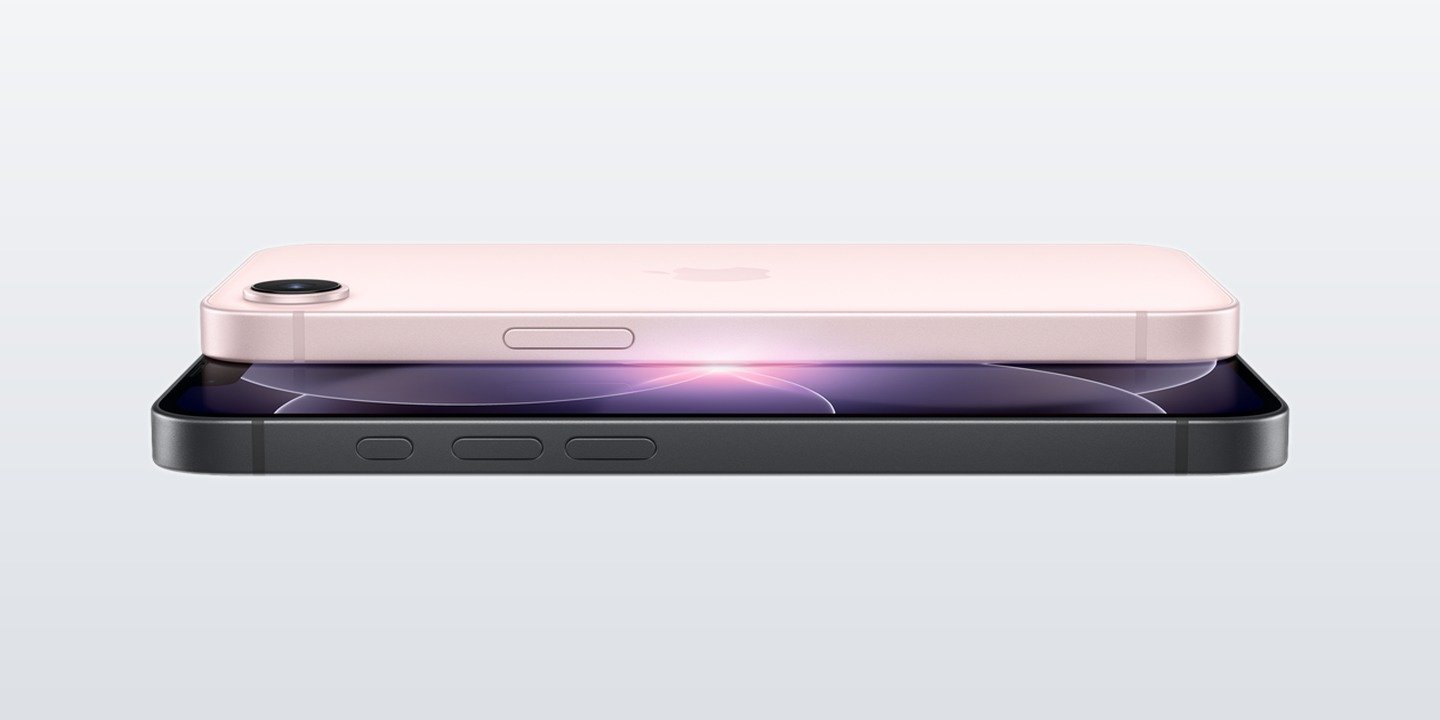
Apple now accounts for more than half of all smartphones shipped in the United States. New data from Counterpoint Research shows the iPhone maker took 57% of US smartphone shipments in the third quarter of 2026, up from 50% a year earlier — even as the overall market shrank.
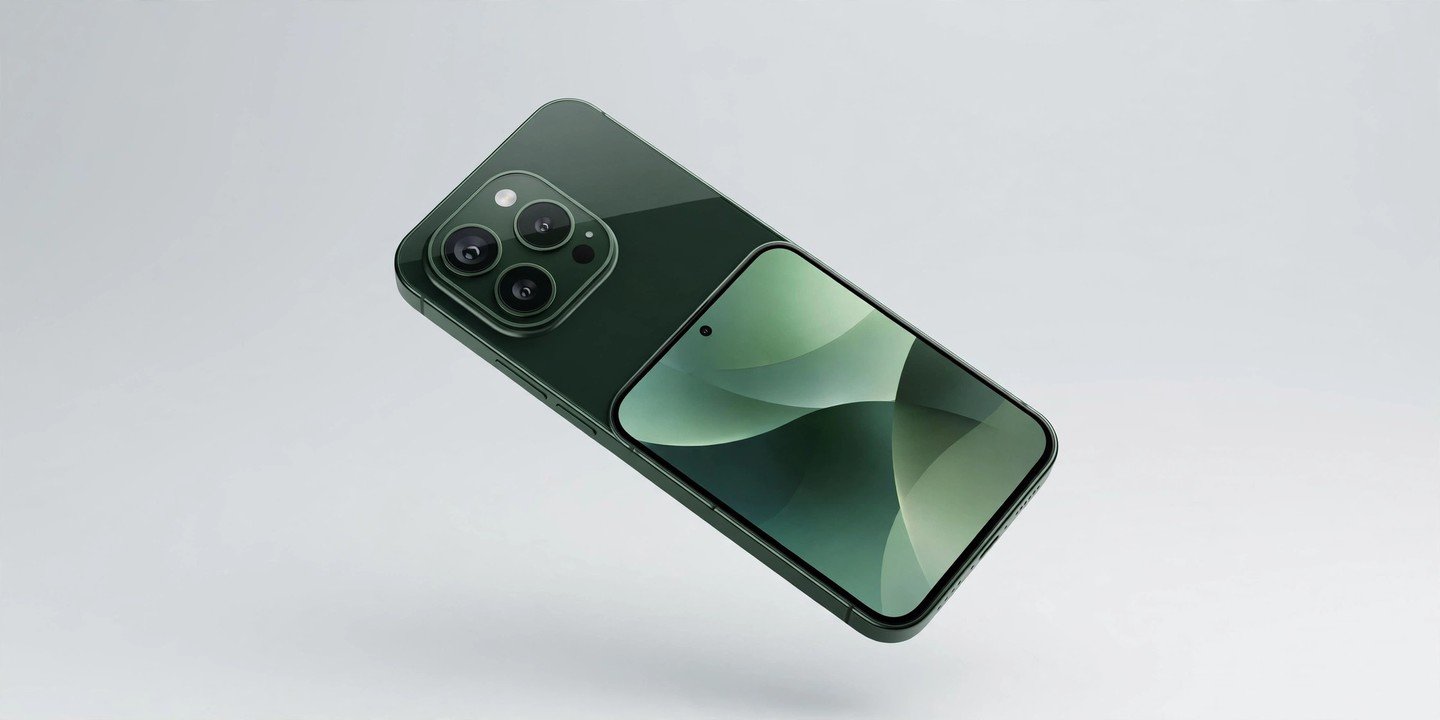
Image: official Apple image of the iPhone 17e, background changed.
It is a bigger slice of a smaller pie. US smartphone shipments fell 9% year over year in Q3 2026, and Apple was the only major manufacturer to avoid a shipment decline in the quarter.
A bigger slice of a smaller market
Apple’s gain was not driven by a booming market. Demand stayed soft across the quarter, and the growth came almost entirely at rivals’ expense. The iPhone 17 series carried Apple’s momentum, with the base iPhone 17 model in particularly strong demand, according to Counterpoint’s earlier reporting on the US market.
The same quarter looked very different elsewhere in the world: Counterpoint’s global data for Q3 2026 showed Apple taking about half of all smartphone revenue worldwide, underlining how much of the industry’s money now flows through Cupertino.
Samsung holds, Motorola slips
Samsung held its ground with 25% of US shipments, up one point year over year, helped by its flagship Galaxy S and Z series phones and the low-end Galaxy A series. Motorola took the biggest hit: its share fell four points to 8%, as rising memory costs squeezed its large low-end line-up and reversed the share growth it posted in the second quarter (from 11%).
Google also slipped slightly, to 6%, with the Pixel 11 launch not strong enough to prevent a small decline in share. Smartphone sales for the Big Three carriers fell 4% year over year in the quarter, according to Counterpoint’s US Channel Share Tracker.
Memory costs are doing the damage
Counterpoint puts the wider market decline down to rising memory prices. Higher DRAM and NAND costs hit Android manufacturers hardest at the low end, where there is little room to absorb a higher bill of materials without raising prices or cutting volume.
“Q3 2026 was the quarter in which rising component costs heavily impacted the US smartphone market,” Counterpoint senior analyst Emily Herbert said. “Higher memory prices hit the low end of the Android market hardest.”
Apple, which sells mostly premium phones, has more room to absorb those costs — and it has kept its pricing steady while rivals raise theirs.
What it means for buyers
The squeeze is expected to last into the holiday quarter. Counterpoint expects memory costs to stay elevated and weak fourth-quarter sales, with carriers becoming more selective with promotions.
“Memory costs are expected to stay elevated, and manufacturer’s suggested retail price increases across Android and iOS are here to stay,” Counterpoint senior analyst Maurice Klaehne said. For shoppers, that means fewer deep discounts this holiday season — and, increasingly, a market where Apple sets the terms. Apple’s next iPhones are already facing their own supply pressures, with iPhone 18 and iPhone 18e production reportedly delayed.
Sources: Counterpoint, Phandroid, MacTech, reporting Counterpoint Research’s US Market Monitor data for Q3 2026.